The Inventor’s Workshop: Where Games Begin as Chaos
A hands-on manifesto from the desk of Brandaxo. We don’t ship finished games—we ship tested playgrounds. This is the raw, unfiltered process behind our playable prototypes.
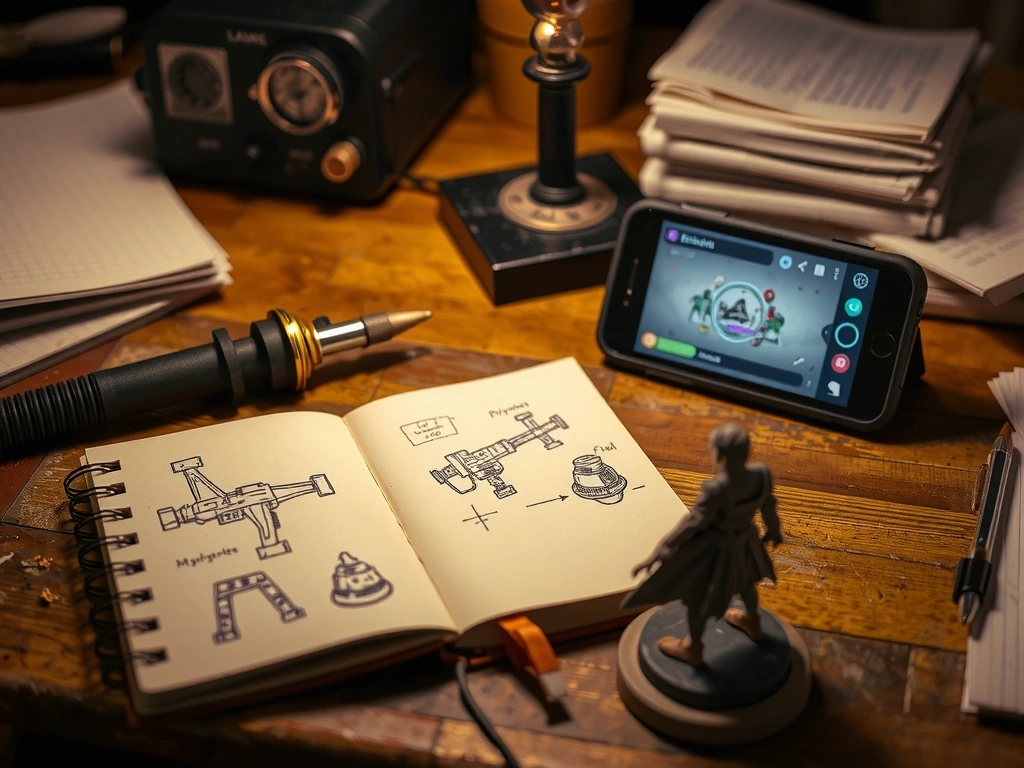
The physical space where concepts are forged, stressed, and often destroyed.
The Two-Hour Rule & The Trash Bin
Our process is governed by a single, ruthless constraint: No game concept survives past two hours of prototyping without a tangible, playable 'spark'. The "spark" is a single, repeatable moment of intuitive delight—a flick that feels right, a hold that creates tension, a collision that surprises. If we cannot build a proto-prototype in 120 minutes that delivers this spark, the concept is archived.
This isn't a failure; it's a filter. The most important tool on our desk isn't the Unity editor or the soldering iron—it's the trash bin. Killing a concept early is cheaper, faster, and preserves creative energy for ideas that possess inherent, immediate fun.
"I don't build games. I build playgrounds for the thumb. If it's not immediately playable, it's not a playground."
Method Note: Evaluating Robustness
- • Risk: The 2-hour rule can favor simple mechanics over complex systems.
- • Robustness: We mitigate this by testing the "spark" against 10+ immediate follow-up actions.
- • Limits: We know this approach does not fit MMOs or narrative-heavy RPGs. We are specialists in visceral, mechanic-first games.
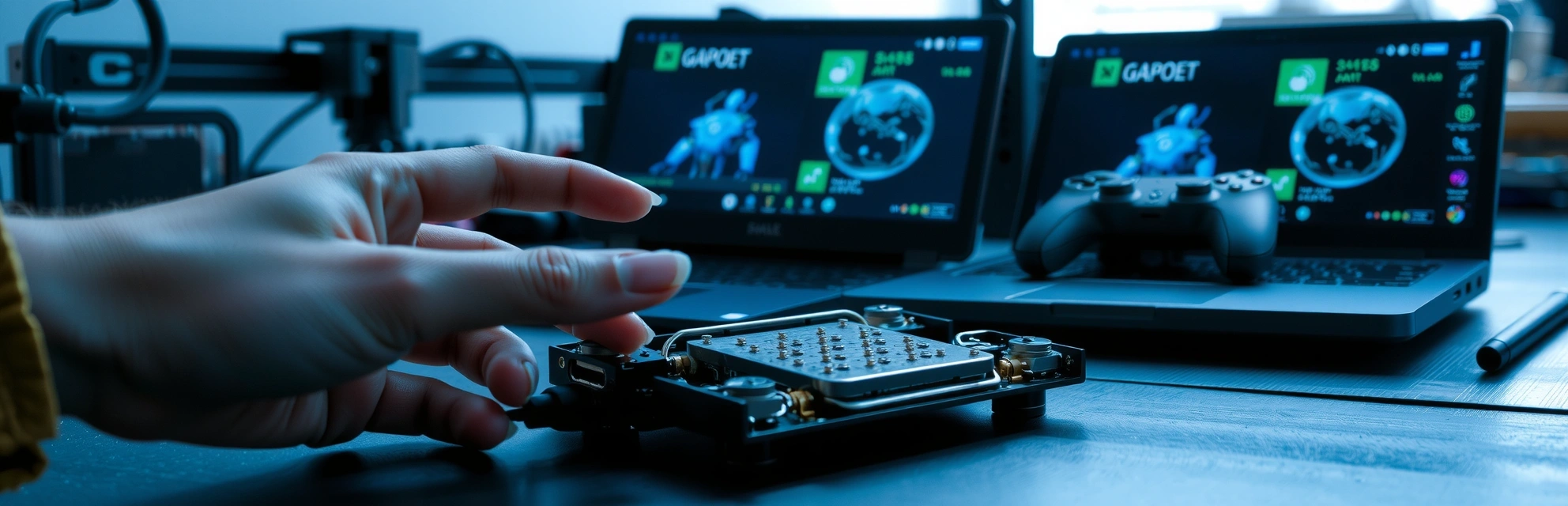
A tangible proof-of-concept from a discarded "gravity toy" idea.
The Three Pillars of Play
Every Brandaxo game is built on a non-negotiable architectural framework. These are the load-bearing walls.
Tactile Novelty
The first 10 seconds of thumb input must feel fundamentally unique. We hunt for a new "language" of touch. In Sprocket, we invented the "flick-and-hold"—a gesture where momentum is stored and released. It's not a button; it's a physics puzzle made of muscle memory.
Constraint: Must be learnable without a tutorial. If it needs an explanation, it's too complex.
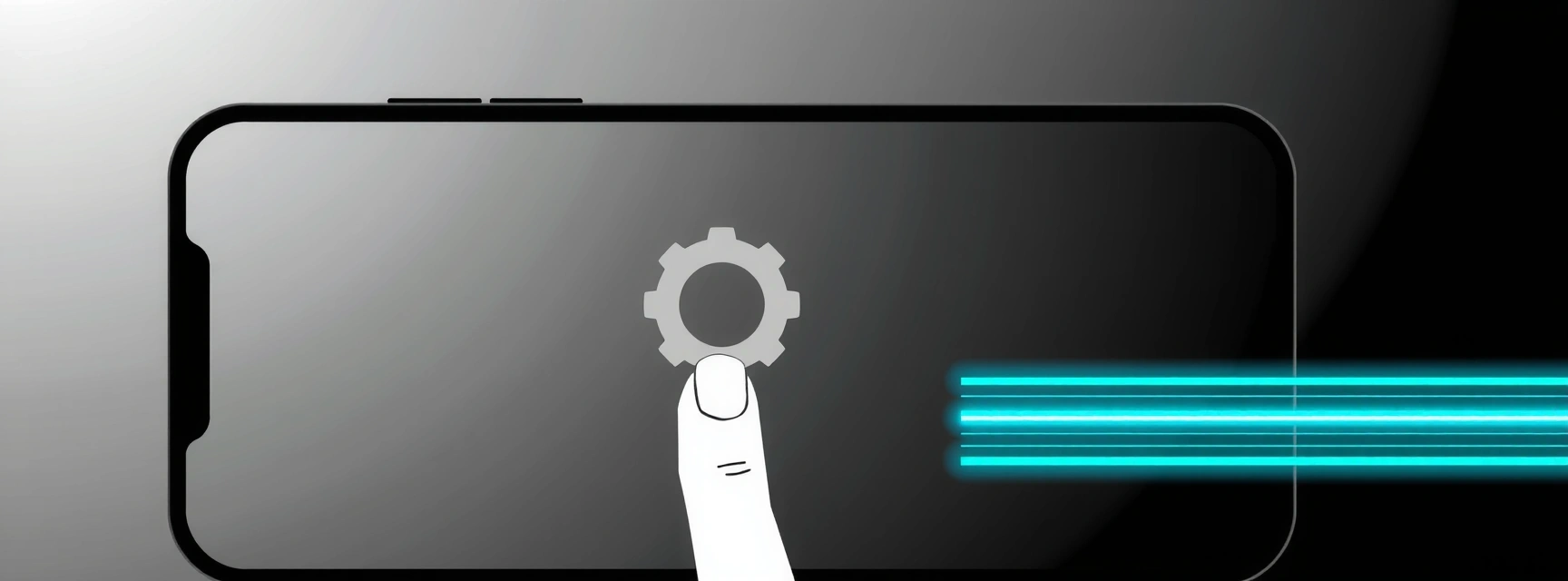
The "flick" mechanic in Sprocket.
Visual Silence
UI is a failure of design. We hide everything. The game world *is* the interface. In Skyward, your health is the color saturation of the sky. Your score is the height of the clouds. The screen is clean until the moment you need to interact, and the interface emerges from the environment.
Micro-Story
We have zero patience for cutscenes. Narrative is environmental and fragmented. The Last Courier tells its entire post-apocalyptic backstory through the graffiti on a single building, readable in the 30 seconds you're idle at a checkpoint. It's the story you uncover by playing, not watching.
Decision Lens: Depth vs. Delight
We constantly evaluate where to invest development hours. This framework defines our trade-off choices, making our process transparent for potential collaborators.
Criterion: Session Length
What it optimizes for: The "one more turn" addictiveness. Designed for commuters, waiting rooms, and quick breaks.
What it sacrifices: Epic, 10-hour campaign progressions. We are not making "World of Warcraft."
Criterion: Input Complexity
What it optimizes for: One-handed playability on any device, even a crowded bus.
What it sacrifices: Multi-button combos, virtual joysticks, and precision aiming. We embrace the "fat thumb."
Criterion: Visual Fidelity
What it optimizes for: Readability, clarity, and performance on low-end Android devices (5+ years old).
What it sacrifices: Photorealism. We trade particles for silhouette and color for contrast.
The Istanbul Test
Before any build is finalized, it must pass a real-world logistics test. Our founder takes a Bosphorus ferry with a non-gamer. The question isn't "Is it fun?" It's: "Can you play this for 45 minutes while being distracted, jostled, and maintaining a conversation?"
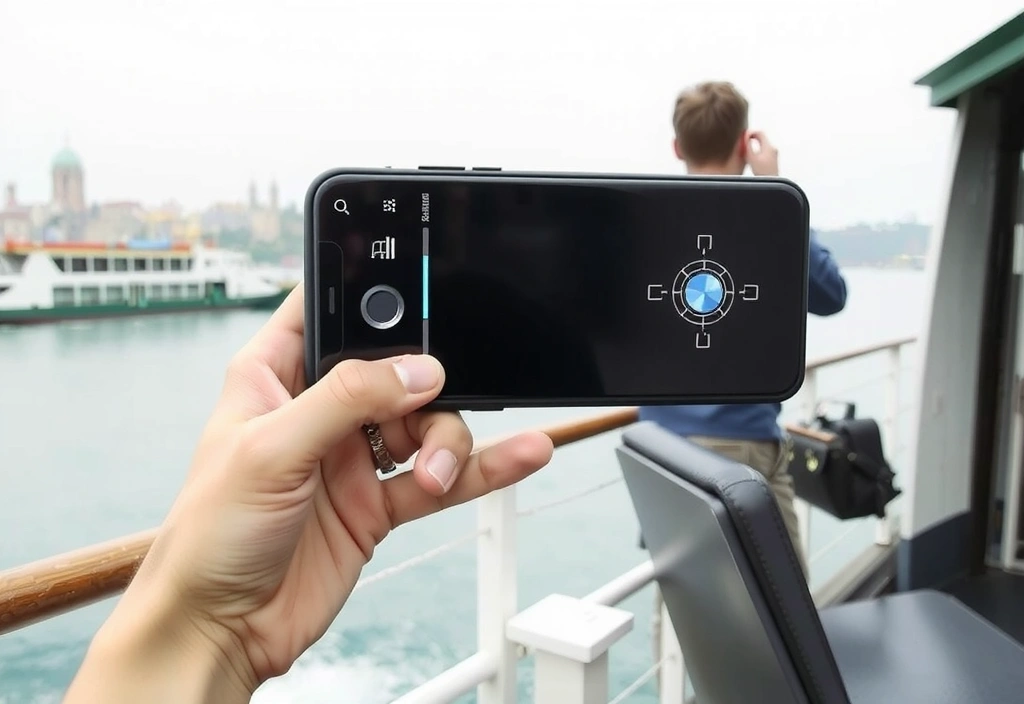
Real-world playtesting on the Bosphorus.
The Post-Mortem Vault
Radical transparency. We learn more from what we delete than what we ship. Here are filed notes from a recent project.
Case: Project Aurora — Killing the Art
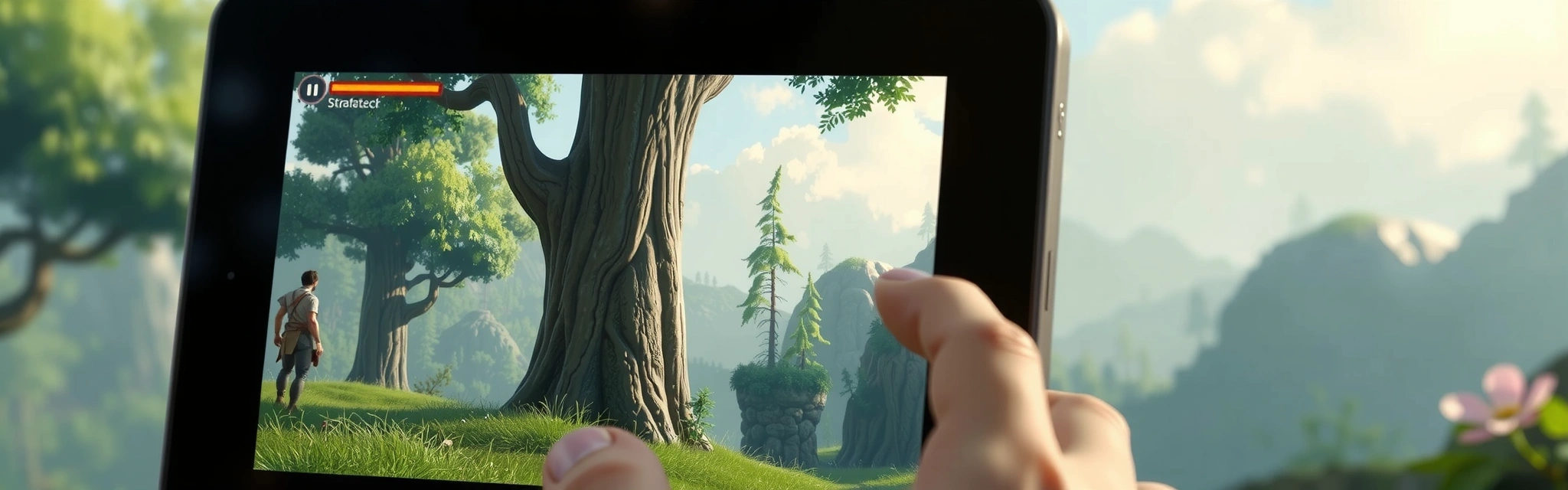
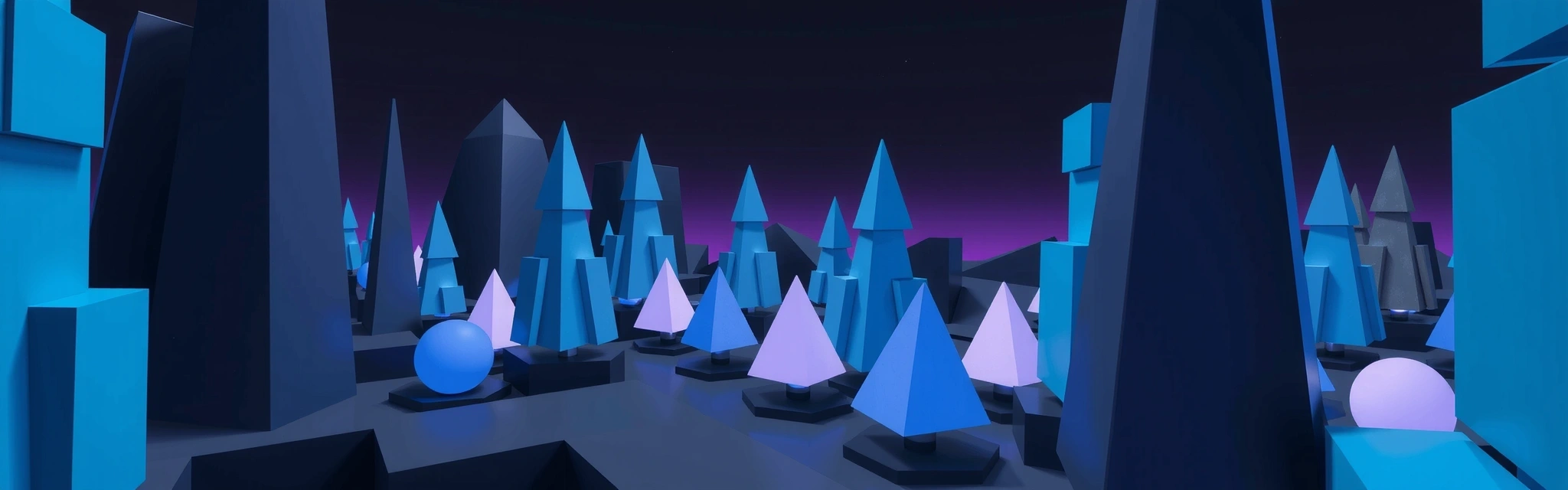
Early concepts featured a lush, hand-painted art style. During the 2-hour prototype phase, we hit a wall: 2D frame rates dropped below 30fps on the target device. Instead of optimizing, we pivoted to a bold, abstract, geometric style.
Before (Discarded)
After (Shipped)
The Kill List (Orbital Drift)
- − Multiplayer Gravity Tether: Added 800ms of input latency. Killed for single-player precision.
- − Real-time Day/Night Cycle: Beautiful, but confused the core traversal mechanic. Gone.
- − Unlockable Skins: Broke the 'Visual Silence' pillar. We sell a pure experience, not cosmetics.
Scenario Vignette: The 100KB Challenge
A publisher specified the final APK must be under 100MB for a festival submission. We were at 112MB. Instead of compressing to a blur, we built a custom asset pipeline that converted audio to a proprietary, loop-friendly format and used texture atlases for every visual element. We shipped at 98MB, with higher performance. The constraint didn't limit us; it forced innovation.
From Turkey to the World: Our Creative Soil
We develop games in Istanbul, a city of 15 million that is a crossroads of chaos and order. This environment directly shapes our design choices. We don't hide from it; we harness it.
- CRITICAL MASS We test for 'cultural clutter'—the ability to hold attention in a bustling café or a crowded metro. If a game is distracting enough for a quiet room, it's only half-finished.
- LOCALIZATION-FIRST We write code and design UI considering 7-bit character sets and right-to-left text flows from day one. Avoiding the 'Translation Trap' saves months of rework.
"Crazy. Wild." Our internal term for a game idea that breaks a convention but feels immediately right in the thumb. If it's not a little 'çılgın,' it's not for us.
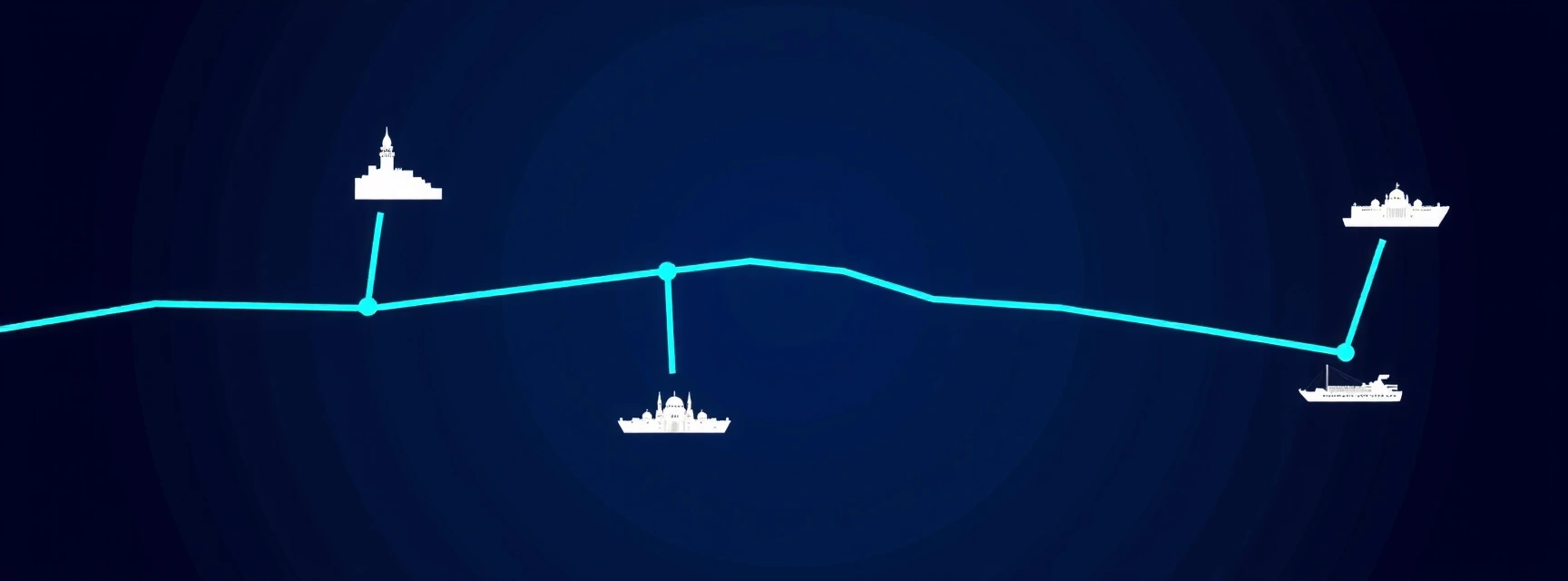
The Istanbul Test: We design for the reality of playing on a ferry. No portrait-mode locks. No tiny buttons. Audio that cuts through ambient noise.
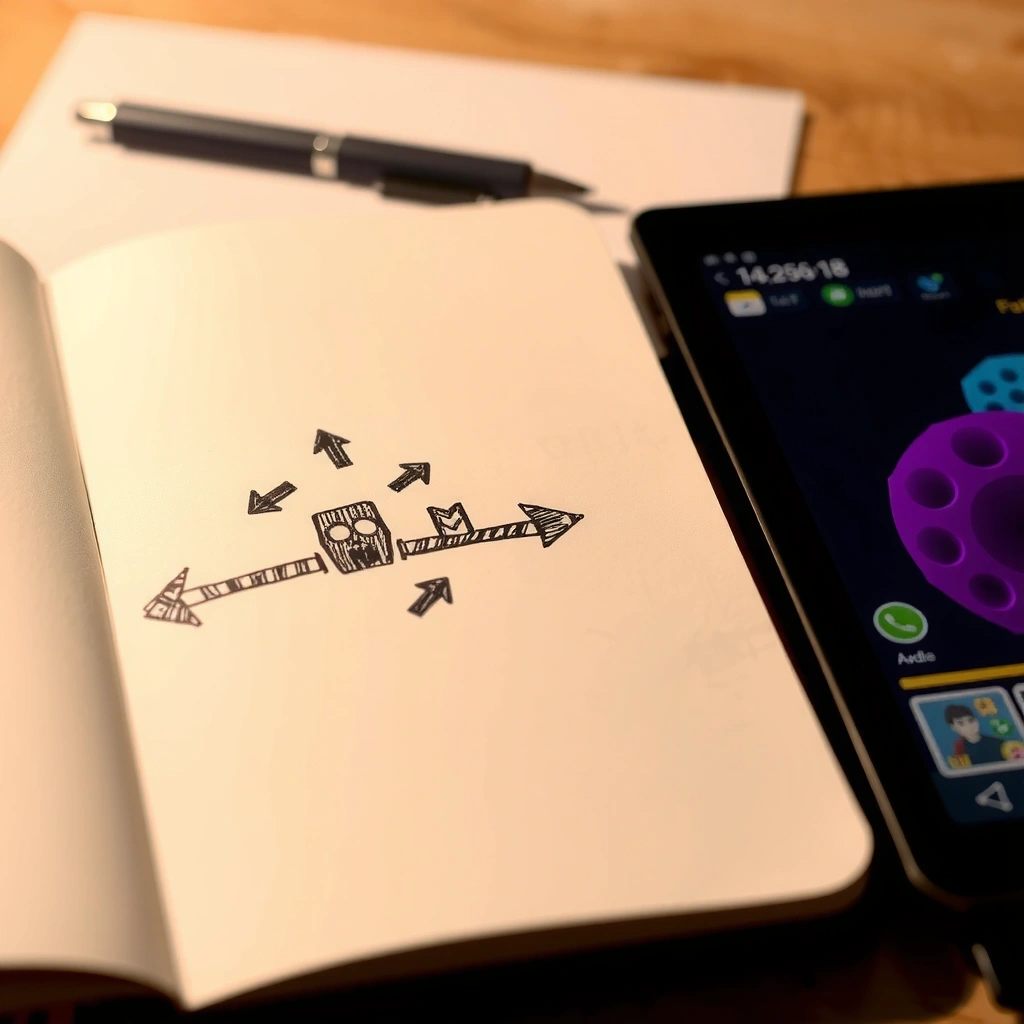
This is where we're going next.
We are actively prototyping two new mechanics that will redefine our 'Tactile Novelty' pillar. One is rooted in gyroscopic control; the other uses screen vibration as core feedback.
Collaboration Pathways
- Co-Development: For studios needing to execute a bold mechanic idea with our prototype-tested framework.
- Concept Licensing: For publishers seeking a ready-to-ship, vetted game prototype with a unique hook.
- Consultation: For existing projects stuck in 'debug' hell, applying our 2-hour rule to find the spark again.