
Neon Drift
Physics-based color puzzle. Paint the world by matching orb trajectories.
Core: Physics
Explore →
Our portfolio isn't a collection; it's a thesis. Each game is a focused exploration of a single mechanic, designed for the thumb. We strip away everything that isn't the core interaction, resulting in experiences that feel immediate, tactile, and uniquely portable.
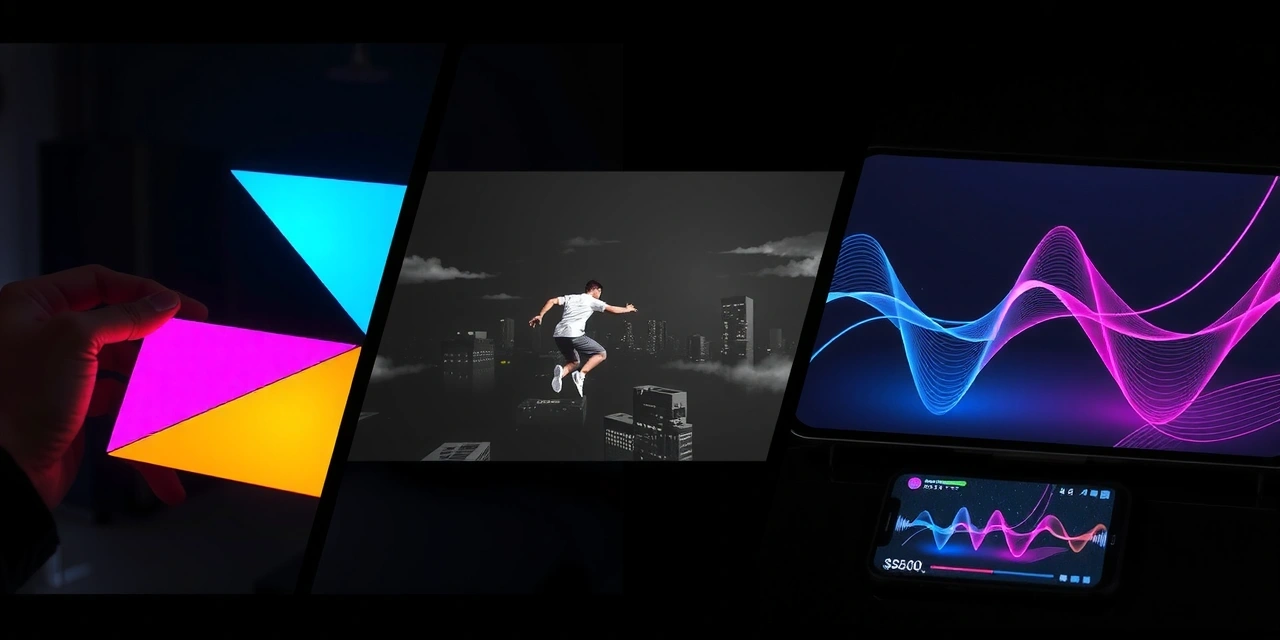
Design Philosophy
All games are engineered for one-handed play. We prioritize touch responsiveness over complexity, ensuring a seamless experience from first tap to high score.
"It feels like playing a playable art piece. The constraints aren't limitations—they're the game."
A high-density view of our current titles. Each card is a window into a distinct world.
Physics-based color puzzle. Paint the world by matching orb trajectories.

Rhythm game where you paint with sound. Tap to the beat, build a masterpiece.

One-button platformer. Tap once to jump, the next tap controls the trajectory.
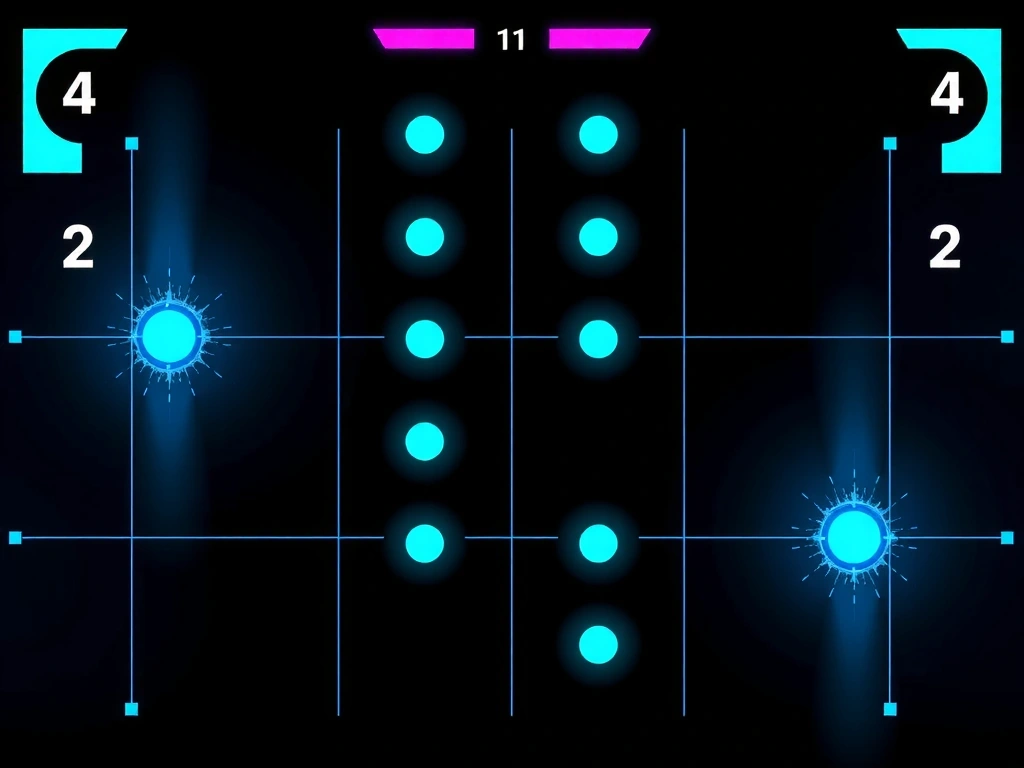
Abstract strategy on a cellular automata grid. Conquer territory through logic, not speed.
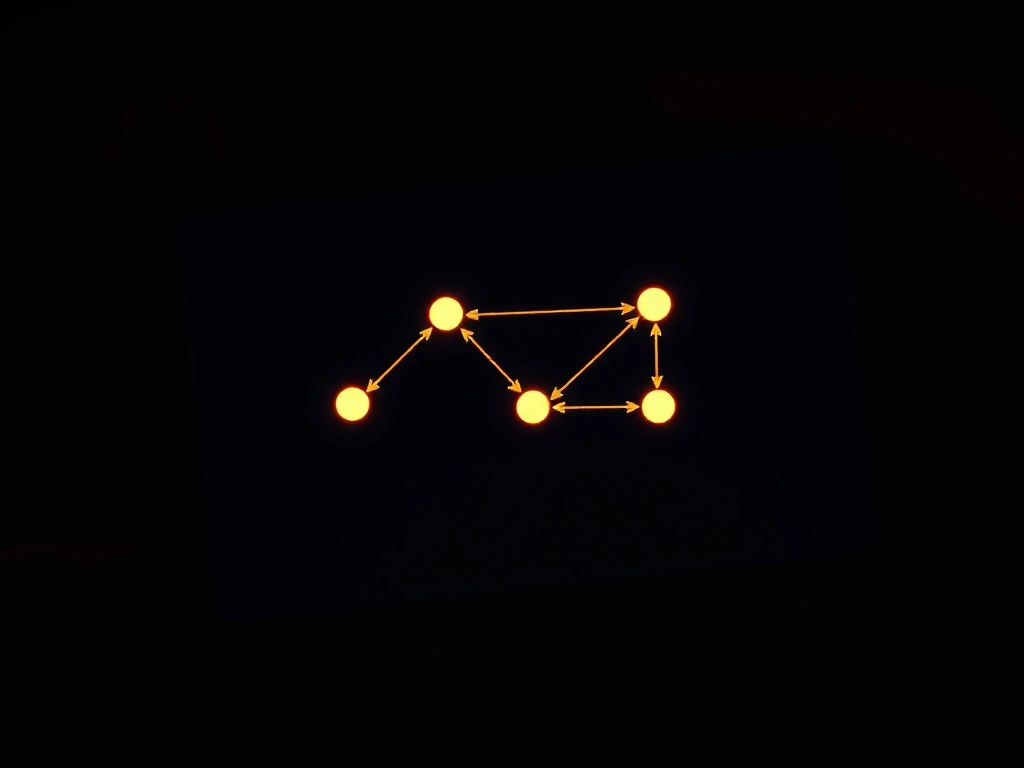
Audio synthesis puzzle. Connect nodes to build complex soundscapes, unlock levels.
We specialize in transforming unique mechanics into polished, store-ready apps.
Start a ProjectEvery feature is a negotiation between ambition and reality. Here’s how we think through the trade-offs.
By removing menus, HUDs, and secondary systems, the player's cognitive load is directed entirely to the core mechanic.
A single-mechanic focus allows us to build a playable prototype in days, not weeks, validating the core loop before full production.
Simple mechanics and clean visuals run flawlessly on older Android devices and lower-end iOS models, expanding market reach.
Common mistakes in minimalist mobile game design, and how our process guards against them.
Adding secondary systems (currency, timers, social feeds) to "increase engagement" without proving the core loop is engaging first.
Our Guard: We ship a "Vertical Slice" with zero meta-game. Player retention must be driven by the mechanic alone.
Using particles or sound that don't intuitively confirm the player's action. The cause-effect link is vague.
Our Guard: Every input has a mandatory visual/audio response mapped to its consequence. No "flair" without feedback.
Difficulty spikes that feel arbitrary, not earned. This kills trust in the game's fairness.
Our Guard: We implement a "Difficulty Autopsy" for every level, ensuring challenge is telegraphed visually before the player acts.
Art that is pretty but fails to communicate game state (e.g., danger, reward, path).
Our Guard: Every art asset is audited for gameplay readability. If it doesn't serve the mechanic, it's cut.
Is a minimalist mechanic right for your idea? Use this criteria to assess.
We stress-test the core interaction. If the joy isn't sustainable, we iterate the mechanic—not add layers to disguise the problem.
If the pitch isn't instantly understandable, the player onboarding will be failed. Clarity is a design constraint.
We lean into mastery (like in Void Leap). Games of discovery (like hidden content) require different, more expansive design.
Our portfolio is live. Our process is proven. The next step is determining if your concept aligns with our design philosophy.